The right choice depends mostly on how long you plan to stay. Renting a condo in Fort Lauderdale suits a short stay, a trial run of a neighborhood, or anyone who wants flexibility. Owning suits people who expect to stay several years, because the upfront costs get spread out and each payment builds equity instead of going to a landlord.
Should you rent or buy a condo in Fort Lauderdale?
Rent if you expect to move within a few years, are still choosing between neighborhoods, or would rather keep your savings liquid. Buy if you plan to stay for several years, can cover the down payment, closing costs, and ongoing association costs, and want to build equity.
Neither option is cheaper in every case, because the fair comparison is rent against the full cost of owning (mortgage, condo fees, property taxes, and insurance), not rent against the mortgage alone.
What are the pros and cons of renting a condo?
Renting a condo gives you flexibility and a low upfront cost, but it builds no equity and leaves rent increases outside your control. A condo is individually owned, so you can buy or rent the same kind of unit from its owner. If you are weighing a condo rental against a standard apartment, our condo vs apartment guide covers that difference in detail.
Why renting works for short stays
Renting asks for far less cash up front, typically a deposit and the first month’s rent instead of a down payment and closing costs. It also keeps you flexible: when the lease ends, you can move, change buildings, or stay.
Building maintenance and major repairs fall to the owner and the association, and in a full-service building you get access to amenities without paying the purchase price.
Where renting falls short
Rent payments build no equity, and your rent can rise at renewal. You usually cannot renovate or personalize the unit; a landlord can sell or choose not to renew, and the building’s rules still apply to tenants, including move-in procedures and association approval where required.
What are the pros and cons of owning a condo?
Owning a condo builds equity and gives you control over the unit, but it comes with higher upfront costs, monthly association fees, and less flexibility.
What owners gain
Owning builds equity as you pay down the mortgage, and the unit may appreciate over time, although appreciation is never guaranteed. You also get control over the interior, within association rules. Florida has no state income tax, and a qualifying primary residence can benefit from the homestead exemption on property taxes, so it is worth asking a tax professional how both apply to you.
Some owners also rent the unit out when they are away, but that depends on association rules and local regulations, which we explain in our guide to short-term rentals in Fort Lauderdale.
What owning really costs
Beyond the down payment and closing costs, owners pay a monthly condo fee that typically covers building insurance, maintenance, and shared amenities.
Our breakdown of South Florida condo fees explains what drives them. Owners also pay property taxes, a condo insurance policy for the unit’s interior, and any special assessments the association approves.
After the 2021 Surfside collapse, Florida tightened condo law with milestone inspections and structural reserve requirements, which can raise association costs in older buildings. Before buying anywhere, ask for the association’s financials, reserve study, and current fee schedule.
Why owning limits flexibility
Selling takes time and carries costs, and your money stays tied up in the property. If you may need to relocate soon, that lack of flexibility can outweigh the benefits of owning.
How do monthly costs compare when renting vs owning a condo?
Renting means rent, renter’s insurance, and any building move-in fees. Owning means the mortgage payment plus the condo fee, property taxes, condo insurance, and upkeep inside the unit. A fixed-rate mortgage payment stays flat, but condo fees, taxes, and insurance can change year to year, so ownership isn’t a fully fixed cost.
The most useful comparison is total monthly ownership cost against rent, then the cash needed up front, then how many years you realistically expect to stay.
Can you rent at Paramount Fort Lauderdale before you decide to buy?
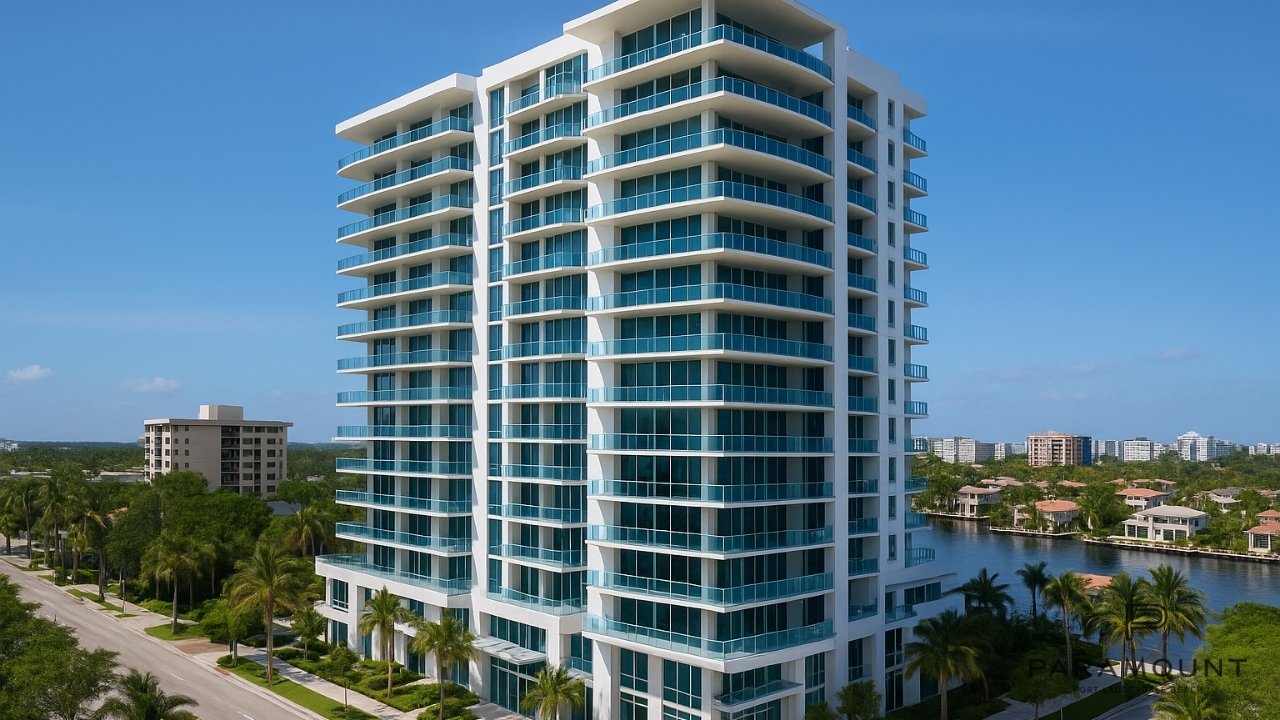
Paramount lists residences for both rent and sale, so renting first is a practical way to live in the building and neighborhood before you commit. Availability and lease terms change, so confirm the current options directly with the Paramount team.
Not sure whether to rent or own? See Paramount for yourself. Call (954) 866-1946 to schedule a private tour, browse available residences, or compare current floor plans to find the layout that fits how you live.